The short answer
The complete packing system: the supplies that matter, a six-week room-by-room timeline, professional techniques, and labeling that eases unpacking.
Packing is the part of moving you actually control — and on an hourly move, it's where you save the most money, because every box you pack before the crew arrives is time you don't pay for. This is the complete system: the supplies that matter, the room-by-room order and timeline, the techniques professionals use, and the labeling that makes unpacking painless. Do this well and a 2-bedroom that would take a crew 6+ hours loads in 4.
Start With the Right Supplies
- Boxes in three sizes: small for heavy things (books, canned goods, tools), medium for most items, large for light bulky things (linens, pillows, lampshades). The universal mistake is heavy items in big boxes — they fail on stairs and break backs.
- Specialty boxes earn their cost: dish-pack (double-wall) for kitchens, wardrobe boxes for hanging clothes, cell boxes for glassware. Packing supplies are cheaper as kits.
- Don't cheap out on: tape (buy a gun and triple the rolls you think you need), packing paper (newsprint ink transfers — use clean paper), and bubble wrap for fragiles.
- Source boxes free where you can — the full map is in where to get free moving boxes — but never reuse weak grocery produce boxes for anything heavy.
The Timeline: Start Six Weeks Out
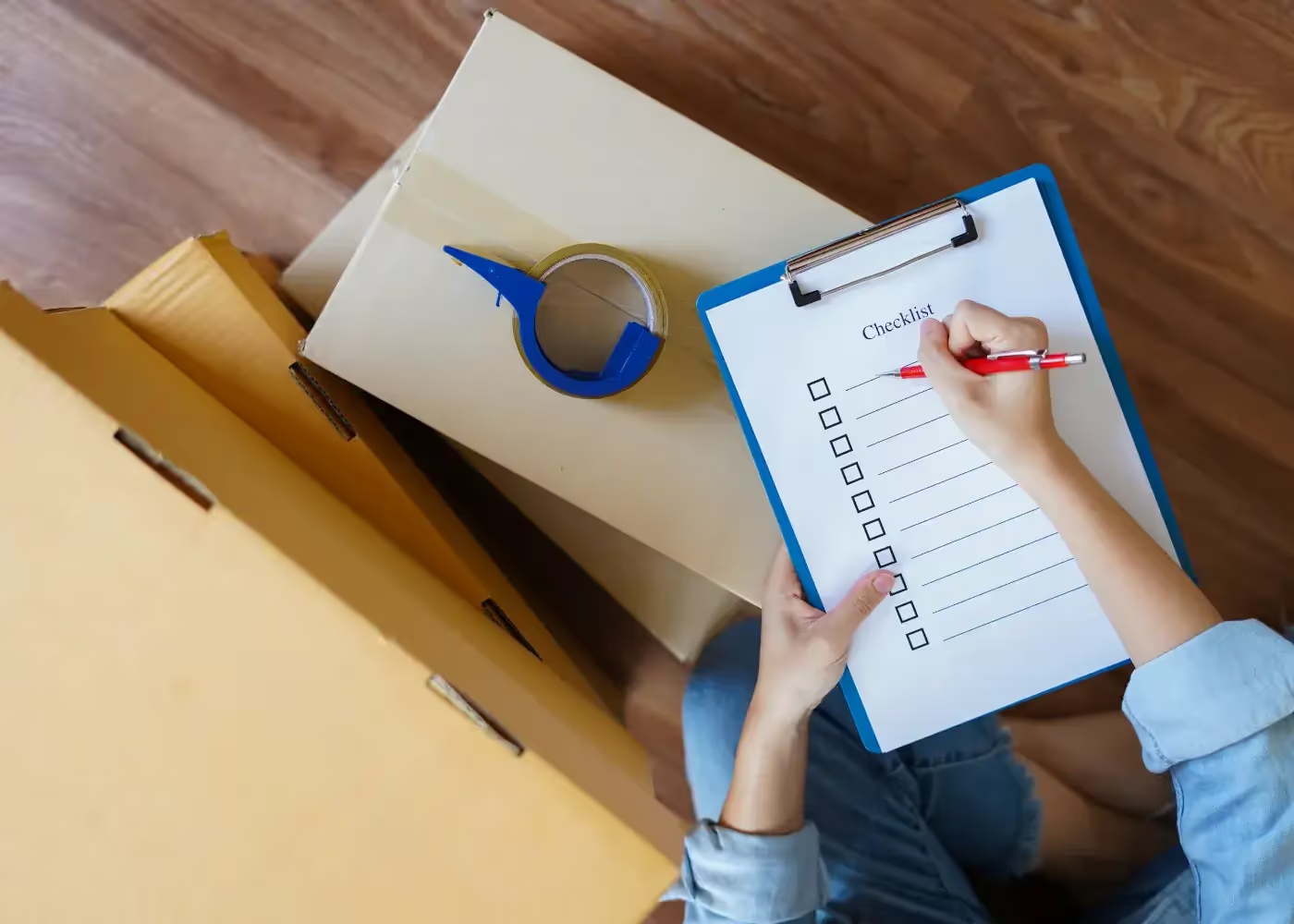
Packing fails when it's a single frantic weekend. Stage it:
- 6 weeks: declutter first (don't pack what you'll discard — the four-pile system), and start the rooms you barely use — storage, guest rooms, garage, out-of-season clothes.
- 4 weeks: books, decor, the good china you're not using, closets.
- 2 weeks: most of the kitchen (keep a few essentials out), secondary bedrooms, bathrooms minus daily items.
- Final days: the everyday kitchen, daily clothes, electronics — and the "open first" boxes (see below).
The Room-by-Room Method
Kitchen (the slowest room — start early): dishes packed vertically like records in dish-pack boxes, glasses in cell dividers, a full guide in how to pack a kitchen. Bedrooms: wardrobe boxes for hanging clothes, the rest folded in suitcases and medium boxes — details in packing wardrobe clothes. Living room: electronics need their own method (TV and electronics), books in small boxes only (book packing), art and valuables wrapped properly (art and high-value). Bathrooms: seal liquids in zip bags, toss expired everything.
Techniques the Pros Use
- Fill every box completely. Empty space = crushed contents. Top off with paper or soft goods so nothing shifts.
- Heavy on the bottom, light on top, inside each box and in the truck.
- 40 pounds per box, maximum — your back and your crew's back agree. Books fill a small box to exactly this weight.
- Wrap fragiles individually, then nest with padding between — surface never touches surface.
- Keep hardware with its furniture: bag screws and tape the bag to the piece (or one labeled "hardware" box).
- Pack a "first night" survival box and an "open first" box per room — load them last, off first.
Label As You Go
Every box gets its destination room and contents on two sides, in marker, the moment it's sealed — never "I'll remember." The full system (color-coding, numbered inventories, the special FRAGILE/HEAVY/OPEN-FIRST labels) is in how to label boxes for moving. Labeled boxes land in the right room on the first carry — which on hourly billing is money.
Should You Pack Yourself or Hire It Out?
DIY packing saves money if you have the time and the move isn't fragile-heavy. Hire professional packing when you're short on time, the move is large, or it's full of breakables — a packing crew bills at the same hourly rate and packs a kitchen in a fraction of the time, with materials included. The popular middle path: you pack the easy rooms, the crew packs the kitchen and fragiles (how that pack-for-you service works). Whatever you choose, being genuinely packed when the moving crew arrives is the single biggest lever on your final bill — more in saving money on moving costs.
Packing FAQ
How long does it take to pack a house?
A studio: a weekend. A 2-bedroom: 15–20 hours spread over two weeks. A family home: start six weeks out, one or two rooms a weekend.
How many boxes will I need?
Rough guide: studio 25–35, 1-bedroom 40–60, 2-bedroom 60–90, family home 100+. Get more than you think — returning extras beats a midnight box run.
What should I not pack?
Essentials and valuables travel with you, and movers can't transport hazardous materials, perishables, or open liquids — the full list is in what movers won't move.
Want it packed and moved by one team? Get a free quote — packing and moving on the same honest hourly rate. 1,244+ Google reviews, 33,000+ moves since 2002.
Find our moving guides faster on Google
Add Boston Best Rate Movers as a preferred source and Google shows our answers first when you search — including in AI Mode.

Boston Best Rate Movers
The Boston Best Rate Movers team shares moving tips, Boston neighborhood guides, and cost-saving strategies drawn from 24+ years and 43,126+ completed moves across Greater Boston.
See All Posts