The short answer
Senior moving with patience and dignity: downsizing decades of belongings, coordinating from afar, assisted-living move-ins, and gentle logistics.
A senior move is rarely just a move. It's often a downsizing decades in the making, an emotional separation from a long-time home, and a logistics project handled by adult children who may live out of state — sometimes all at once. Whether it's a parent moving to a smaller place, a retirement or assisted-living community, or in with family, this guide covers the practical and the human sides with the patience the situation deserves.
Start Early and Go Slow
The biggest gift you can give a senior move is time. Decades of belongings can't be sorted in a weekend without distress. Start two to three months out, work in short sessions (a few hours at a time — sorting is emotionally tiring, not just physically), and let the person moving lead the pace and the decisions wherever possible. A move that feels done to someone goes badly; one done with them goes well.
Downsizing With Dignity
Most senior moves involve fitting a large home into a much smaller space, which means hard choices about cherished things:
- Measure the new space first and plan what fits before sorting — concrete limits ("the new place has one bookshelf") make decisions easier than abstract ones. The method is in downsizing before a move.
- Prioritize what matters most: the favorite chair, the photos, the few pieces that carry the most meaning come first. Everything else is negotiable.
- Honor the stories. Sorting heirlooms is really reminiscing — build in time for it rather than fighting it. Photographing items before letting them go preserves the memory without the object.
- Distribute to family — pieces going to children and grandchildren who'll use them feel like continuation, not loss.
- Handle the rest gently: donation, consignment, and estate-sale options (the logistics are in decluttering and getting rid of old furniture).
For Adult Children Coordinating From Afar
Many senior moves are quarterbacked by a son or daughter in another state. What helps: one clear point of contact for the movers, a written plan everyone agrees to, and a professional crew that handles the heavy lifting so family can focus on the person and the decisions. We coordinate move details by phone and email, provide written quotes up front (no surprises for a family already managing a lot), and can work with the destination community's move-in rules and windows.
Moving Into Senior Communities
Retirement and assisted-living communities have their own move-in logistics: scheduled move windows, certificate-of-insurance requirements (ours are free), elevator reservations, and sometimes size limits on what fits. Get the community's move policy early. The emotional layer matters here too — arriving to a space already arranged with familiar things (bed made, favorite chair placed, photos up) makes the first night feel like home rather than a facility. Tell the crew where things go; thoughtful placement is part of the hourly service.
The Compassionate Logistics
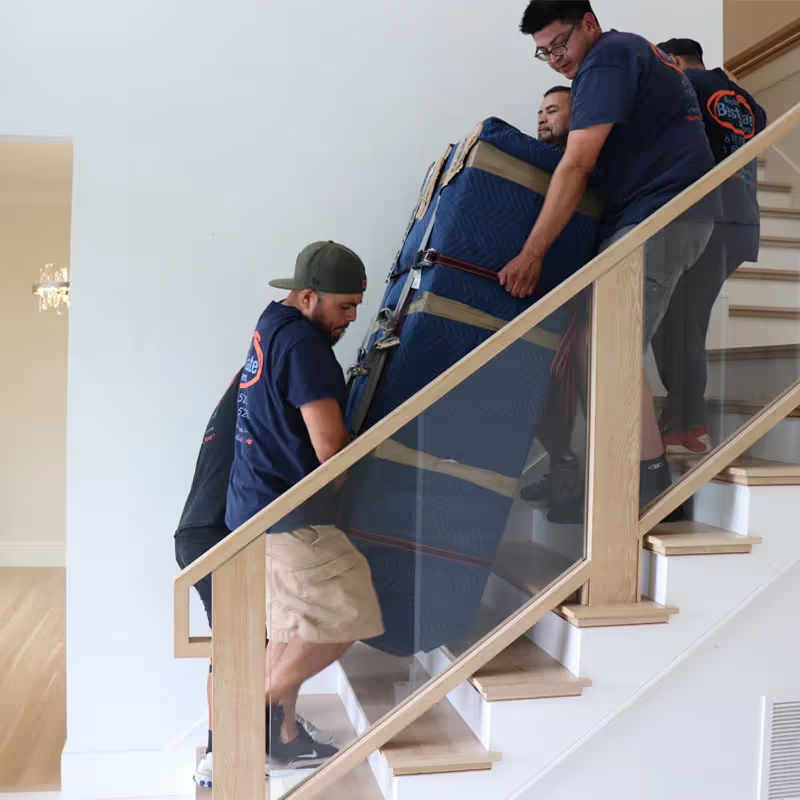
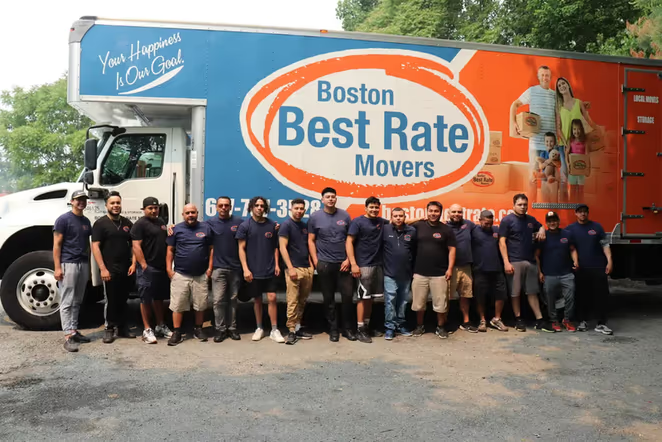
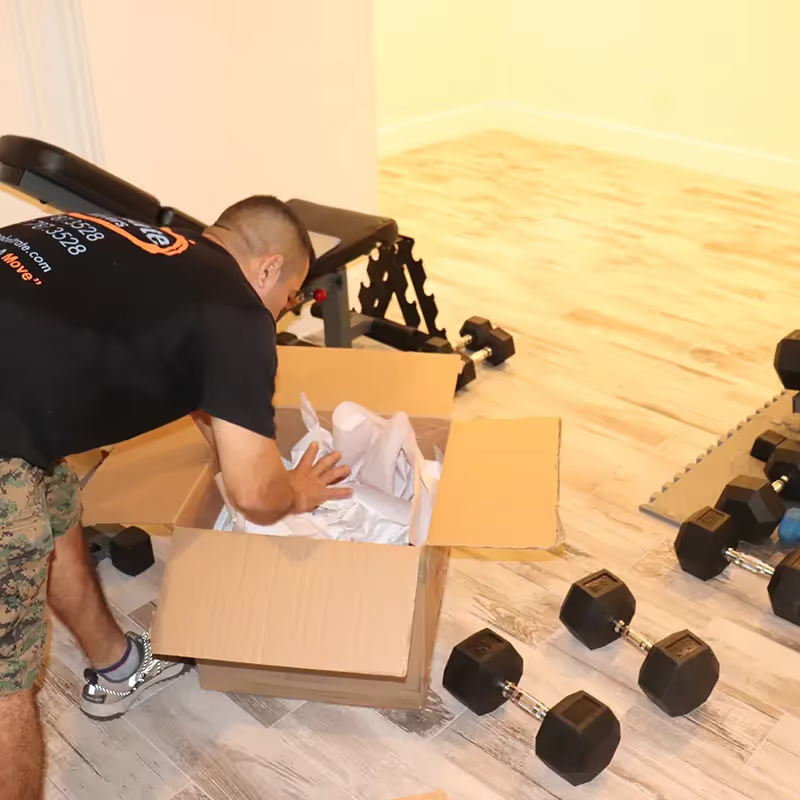
Our crews handle senior moves with extra care: patience with the pace, gentleness with both belongings and feelings, and full service — packing, disassembly, transport, reassembly, and setup — so the family doesn't carry the physical load. We're licensed, insured, and staffed by trained full-time employees (not day labor), which matters most when the person moving is vulnerable and the belongings are irreplaceable. If timing between the home sale and the new place doesn't line up, our Waltham storage bridges the gap. For moves that follow a loss — or the upheaval of a divorce — we approach it with the sensitivity it requires; many families come to us during the hardest weeks.
Senior Moving FAQ
How far ahead should we start a senior move?
Two to three months for a full-home downsize, working in short sessions. The sorting, not the moving, is what needs the time.
Can you help if I'm coordinating my parent's move from another state?
Yes — one point of contact, written quotes, and full-service packing-to-setup so distance isn't a barrier. We handle the physical move end to end.
Do you work with assisted-living and retirement communities?
Regularly — we handle their COIs, move windows, and elevator rules, and we set up the new space so it feels like home on arrival.
What if we need to store things during the transition?
Our climate-controlled Waltham storage holds belongings between the home sale and the new place — load once, deliver when ready.
Senior moves deserve patience and care — that's how we run them. Get a free quote or call to talk through the details. 1,244+ Google reviews, 33,000+ moves since 2002.
Find our moving guides faster on Google
Add Boston Best Rate Movers as a preferred source and Google shows our answers first when you search — including in AI Mode.

Boston Best Rate Movers
The Boston Best Rate Movers team shares moving tips, Boston neighborhood guides, and cost-saving strategies drawn from 24+ years and 43,126+ completed moves across Greater Boston.
See All Posts.avif)