The short answer
The box-labeling system movers love: room plus contents plus flags on two sides, the color-code upgrade, and numbered inventories for big moves.
Box labeling is the cheapest insurance in moving: a $3 marker and a system turn unloading from an interrogation ("where does this go?") into a flow, and turn your first week from archaeology into living. Movers can tell within one carry whether a home was labeled by a system or by vibes — and the system homes finish faster on the clock that bills by the hour. Here's the complete method: what to write and where, the color-code that crews love, the numbered-inventory upgrade for bigger moves, and the special labels that protect fragile and load-bearing boxes.
The Core System: Three Pieces of Information, Two Sides Minimum
Every box gets, in thick permanent marker: (1) the destination room, (2) a 3–5 word contents summary, (3) any handling flag — written on at least two sides (never only the top — tops are invisible in a stack). So: "KITCHEN — everyday dishes — FRAGILE" or "BEDROOM 2 — winter clothes." The destination room is the headline, sized biggest: it's the only word the crew needs mid-carry, and it's what makes every box land in the right room on the first pass instead of pyramiding in the hallway.
Two rules that prevent 90% of labeling failures: label as you seal (a sealed unlabeled box becomes a mystery in minutes, and "I'll remember" is the most expensive sentence in packing) — and name rooms by the NEW home's map, not the old one. If the office is becoming the nursery, boxes say NURSERY. Tape a name card on each room's door at the new place and the delivery system runs itself.
The Color-Code Upgrade (Crews' Favorite)
Words require reading; color reads itself from across a room. Assign each room a color — blue kitchen, green master, red living room — using colored tape or dot stickers on every box (two sides, same as text), then put a matching color swatch on each door frame at the destination. The crew matches color to color without breaking stride; you can see at a glance mid-unpack that a green box has wandered into the kitchen. Keep the written room name too — color plus text is redundancy, and redundancy is the point. A roll of colored tape per room costs a few dollars; it's the best labeling money spends.
The Numbered-Inventory Upgrade (For Bigger or Long-Distance Moves)
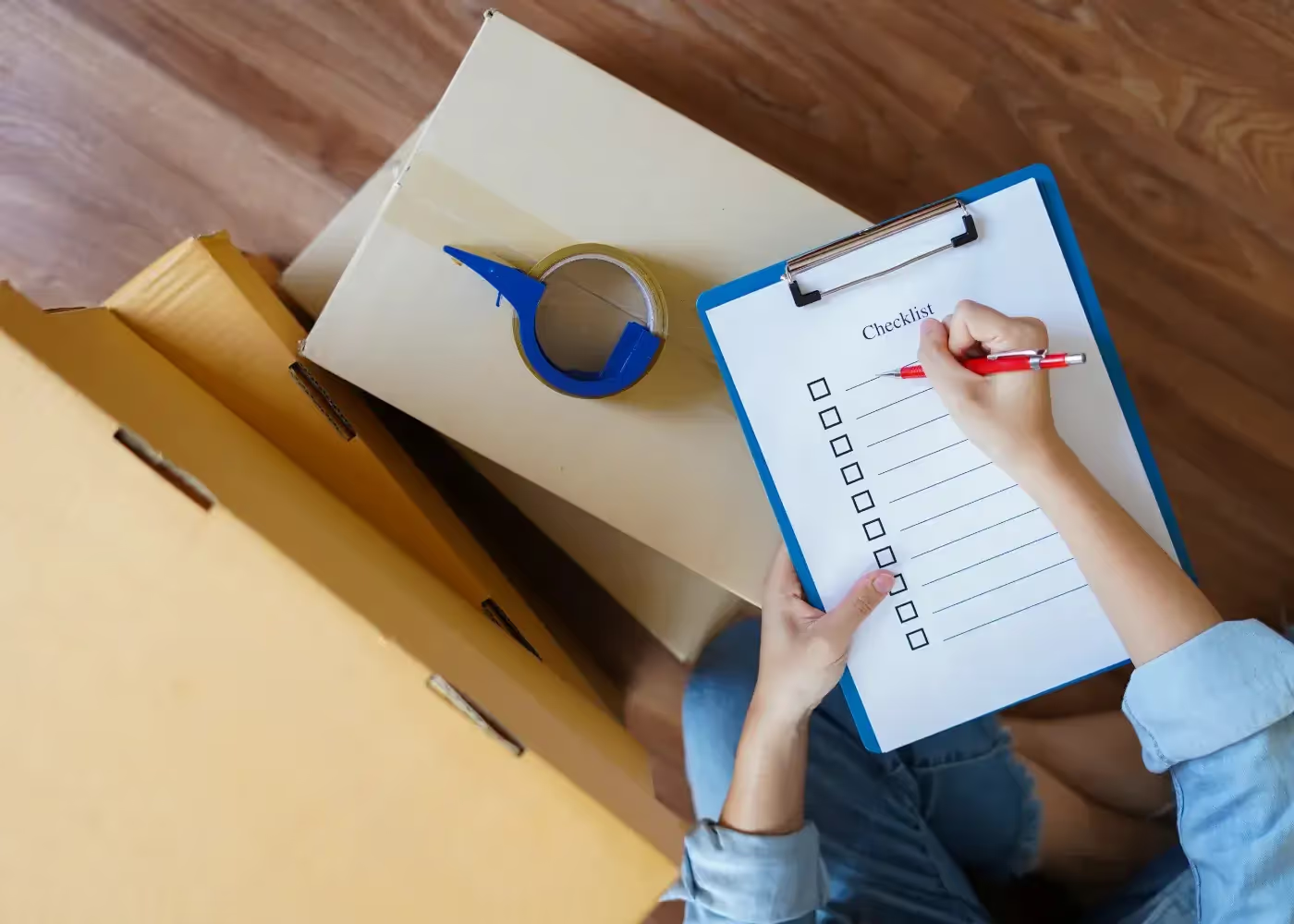
For 3+ bedroom homes, storage stints, or long-distance moves, add a number to every box and keep a master list (notes app or spreadsheet): box number, room, fuller contents. What it buys you: a definitive count ("47 boxes loaded, 47 delivered" — the only way to know nothing's missing), findability ("the coffee maker is box 23" beats opening six KITCHEN boxes), and a claims-ready record of what traveled. Photograph valuable boxes' contents before sealing — sixty seconds now, decisive documentation later.
The Special Labels That Do Real Work
- FRAGILE + THIS SIDE UP + arrows: on all four sides of anything breakable — and only on boxes that mean it. If every box cries fragile, none do. (Pack them to deserve the label: kitchen method, art and high-value.)
- HEAVY: on anything over ~40 lbs (books, tools, plates) — it sets the lifter's grip and the stack position (heavy rides bottom). Honest weight labels are a back-safety device.
- OPEN FIRST: exactly three boxes — essentials, first-night kit, kitchen starter (contents list in the move-in checklist). These load last, ride visible, and unload first.
- DO NOT LOAD: the quarantine label for everything traveling in your car — documents, medications, valuables, chargers. Mark the pile AND tell the crew lead; a great crew loads everything that isn't nailed down or labeled otherwise, which is exactly what you're paying for.
- LAST LOAD / FIRST OUT: for tools, cleaning supplies, and the toolbox that reassembles the beds — things you need at both ends of the day.
Label Logistics: The Small Stuff That Matters
Use real permanent markers (chisel tip; buy three, they vanish), write on the box's tape-free cardboard when possible (marker on glossy tape smears), never label only with contents and no room ("books" helps nobody mid-carry), and skip the QR-code apps unless you already love them — the marker system's strength is that it works with zero phones at 8am. Reusing boxes? Cross out old labels completely; two addresses on one box is how things ride to the wrong house.
Labeling FAQ
What's the fastest labeling system that actually works?
Room name big on two sides + colored tape per room + the five special labels above. Adds maybe three seconds per box; saves hours at the destination.
Should I list detailed contents on every box?
Summary on the box (3–5 words); detail in the numbered master list if you're running one. Full contents written on the box slows packing and advertises valuables.
Does labeling really make the move cheaper?
On hourly billing, yes — labeled boxes land right the first time, no mid-carry Q&A, no re-shuffling between rooms. It's one of the prep levers in saving money on moving costs.
Want the packing AND the labeling done professionally? Our packing crews label to this exact system. Or get a quote for the move and run the marker yourself — either way, your boxes will know where they live. 1,244+ Google reviews, since 2002.
Find our moving guides faster on Google
Add Boston Best Rate Movers as a preferred source and Google shows our answers first when you search — including in AI Mode.

Boston Best Rate Movers
The Boston Best Rate Movers team shares moving tips, Boston neighborhood guides, and cost-saving strategies drawn from 24+ years and 43,126+ completed moves across Greater Boston.
See All Posts