The short answer
Moving in Boston's historic districts: narrow colonial streets, preservation rules, protecting original interiors, and why local crews matter.
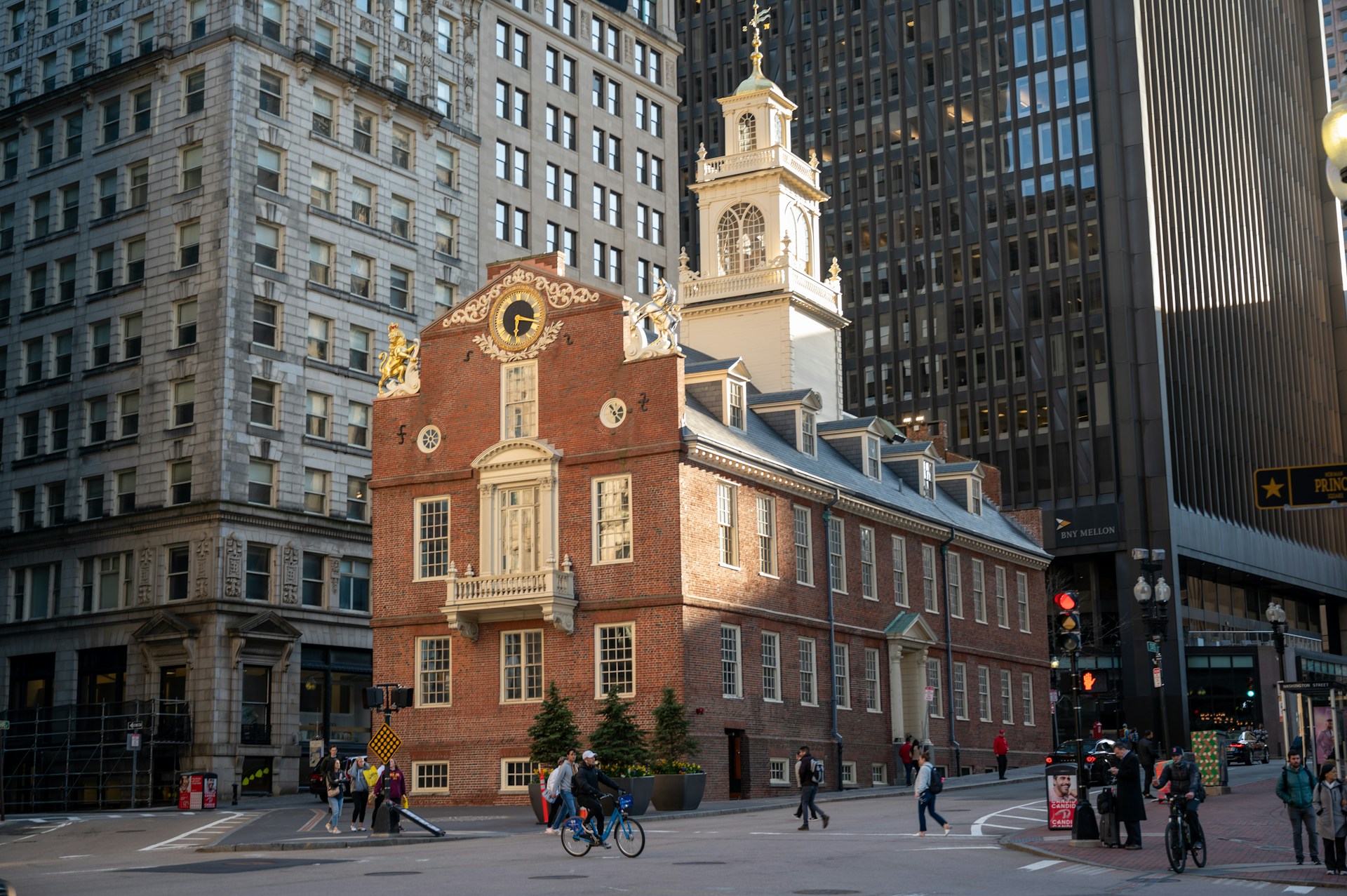
Moving in Boston's historic districts — Beacon Hill, the North End, Charlestown, the Freedom Trail corridor — comes with constraints you won't find in newer neighborhoods. Cobblestone and brick streets, protected building facades, narrow colonial-era lanes, and historic-commission rules all shape how a move runs. This guide covers what to expect and how to plan a move in or near Boston's landmark areas so it goes smoothly and respectfully.
The Streets Were Built for Carts, Not Box Trucks
Beacon Hill's lanes, the North End's tangle, and Charlestown's blocks around the Monument predate the automobile entirely. Practically, that means:
- Big trucks may not fit — or may fit onto the street but be unable to turn or park usefully. Smaller trucks (with more trips) often beat a 26-footer that strands three blocks away. We size the truck to the street, not just the load — the reasoning is in truck sizes for Boston's narrow streets.
- Parking is the central challenge — a moving permit to reserve curb space is essential here, and historic districts can have extra restrictions on where and when trucks can stand.
- Cobblestones and brick mean careful dolly work — uneven surfaces make wheeled transport trickier, which experienced crews plan for.
Building and Historic-Commission Rules
Many historic buildings carry preservation protections that affect moves: limits on what can be attached to or leaned against protected facades, restrictions on blocking historic sightlines or sidewalks, and sometimes building-association rules layered on top. The practical move-day version: extra care around the exterior, no improvising with the building's structure, and full padding on doorways and entries (often original and irreplaceable). Confirm any building-specific move rules with management ahead of time.
Inside Historic Homes
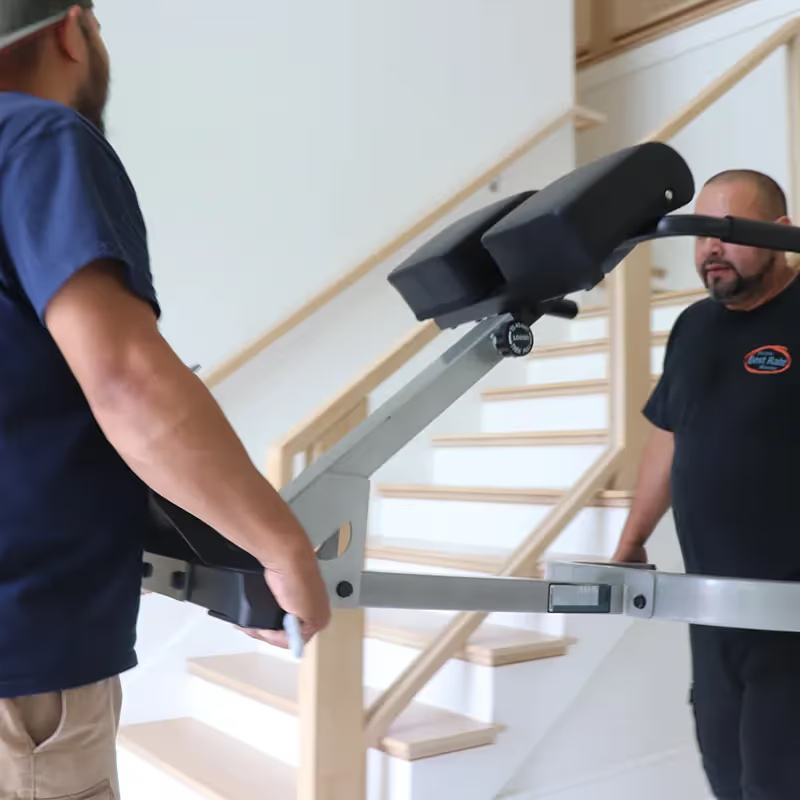
The interiors match the exteriors — narrow original staircases, low door headers, tight landings, and floors and woodwork you don't want to scratch. This is technique-and-padding territory: measuring tight turns before move day, disassembling furniture that won't make the staircase, and protecting original floors and banisters as standard. The getting furniture upstairs and heavy furniture guides cover the methods; the key for historic homes is that there's no margin for forcing — geometry and patience, not muscle.
Timing Around the Sites
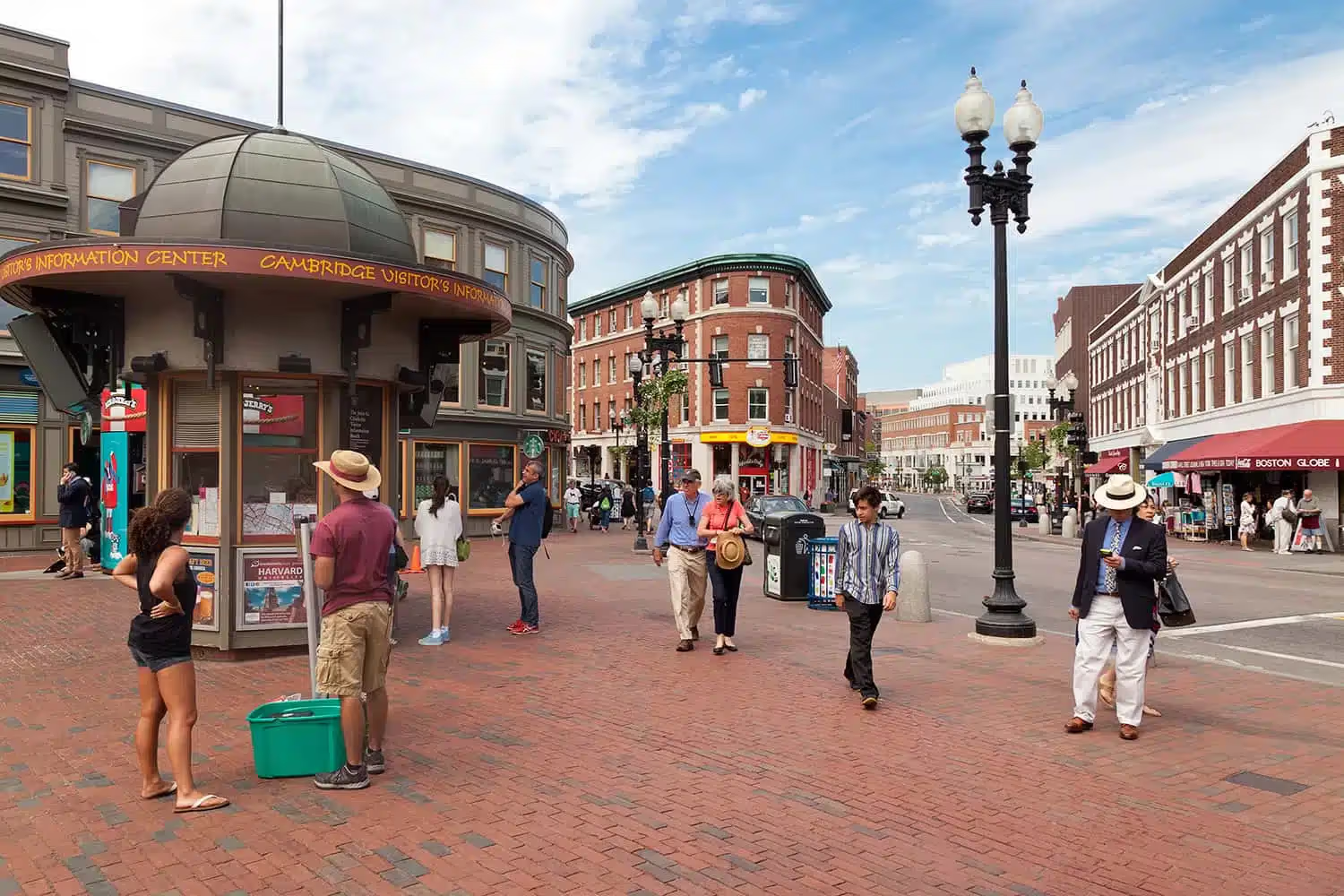
Historic neighborhoods are also tourist neighborhoods. The Freedom Trail, the North End's restaurants, and Beacon Hill's charm draw crowds — especially weekends and summer. An early-morning, mid-week move beats foot traffic, tour groups, and parked-up streets. And avoid event days entirely where you can (the Marathon, major holidays, festivals) — they close streets and snarl everything. Our best time to move guide has the calendar.
Why Local Experience Matters Here
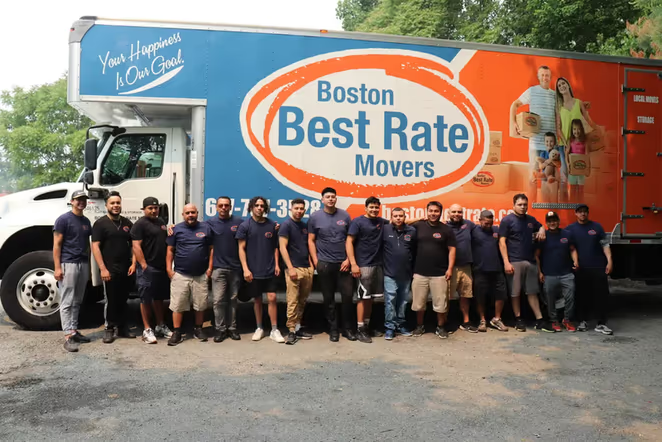
This is exactly the kind of move where a crew that knows Boston outperforms one learning on the job. We've moved households throughout Beacon Hill, the North End, and Charlestown for over two decades — we know which streets a truck can actually work, how to handle the permit and parking puzzle, and how to protect historic interiors. It's the same honest hourly rate and no stair fees; the difference is a crew that's solved these streets before. The North End moving guide goes deep on the toughest of them.
Historic-District Moving FAQ
Can a moving truck even get to my Beacon Hill or North End address?
Usually yes, with the right truck size and a reserved permit space — sometimes a smaller truck with more trips is the smart call. We assess both your street and your load when quoting.
Are there special rules for moving near historic sites?
Buildings and districts can have preservation and association rules affecting facades, sidewalks, and truck placement. Confirm with your building, and a local crew will handle the rest with appropriate care.
How do I protect original floors and staircases?
Full padding on banisters and door frames, floor runners, careful measurement of tight turns, and disassembly where needed — all standard for an experienced crew.
When's the best time to move in a historic neighborhood?
Early morning, mid-week, off-season — to dodge tourist foot traffic, parked-up streets, and event-day closures.
Moving in one of Boston's historic neighborhoods? Put a crew that knows these streets on it — free quote. 1,244+ Google reviews, since 2002.
Find our moving guides faster on Google
Add Boston Best Rate Movers as a preferred source and Google shows our answers first when you search — including in AI Mode.

Boston Best Rate Movers
The Boston Best Rate Movers team shares moving tips, Boston neighborhood guides, and cost-saving strategies drawn from 24+ years and 43,126+ completed moves across Greater Boston.
See All Posts