The short answer
Moving to Boston from out of state: the geography, the housing reality, the long-distance move into the city, and a first-weeks checklist.
Moving to Boston from another state means learning a city with its own rules fast — historic housing, fierce parking, a transit-shaped geography, and a cost of living that surprises newcomers. Whether you're relocating for a job, school, or a fresh start, this guide covers what to know before you arrive: the neighborhoods, the housing reality, the logistics of a long-distance move into the city, and the first-weeks checklist for becoming a Bostonian.
Understand the Geography First
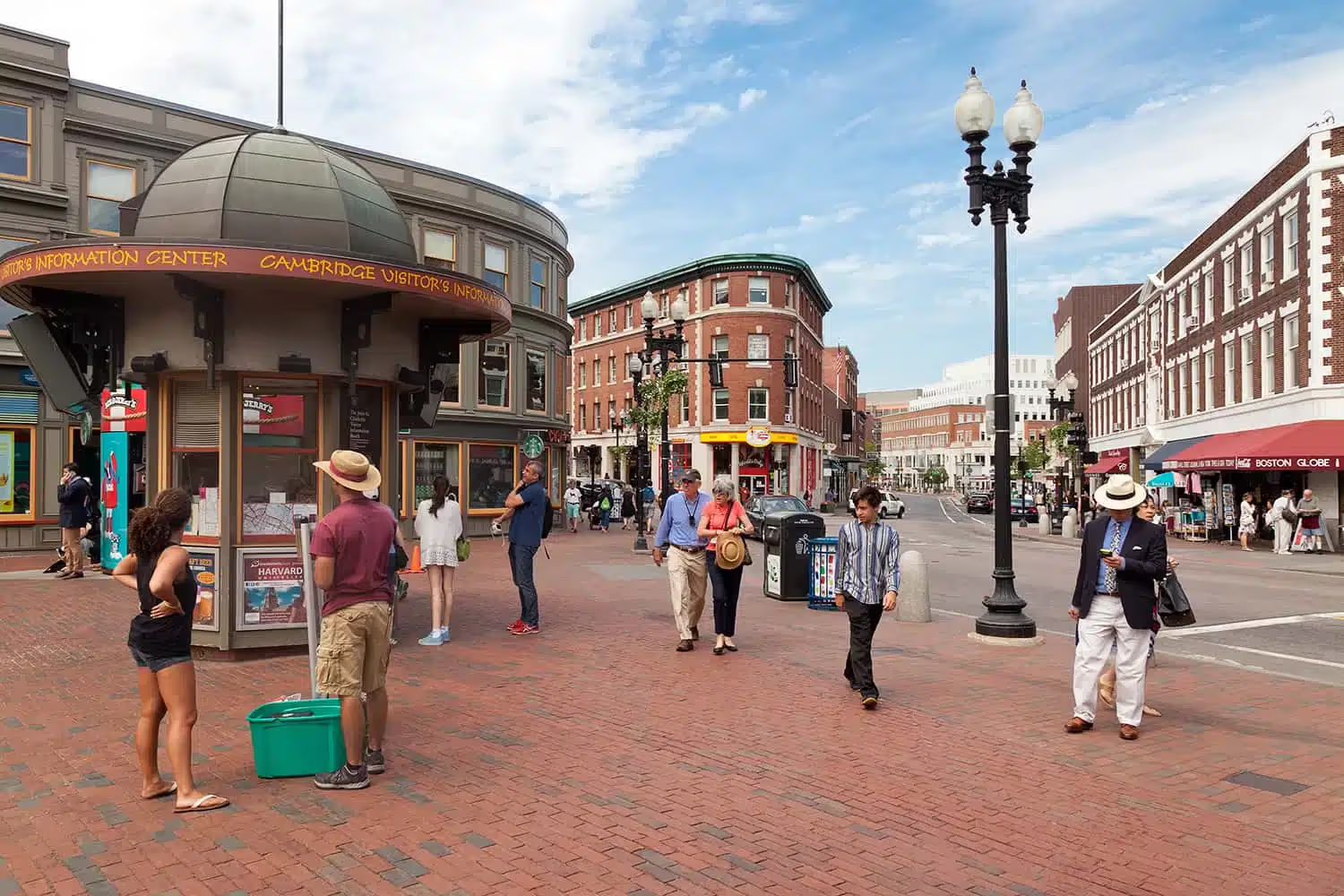
Boston is small, old, and organized around transit, not highways. Where you live is really a decision about your commute on the T (the subway) and which neighborhood fits your life. The metro area packs enormous variety into a compact footprint — dense historic cores, leafy streetcar suburbs, waterfront towers, and triple-decker neighborhoods. Our Boston neighborhoods guide matches areas to who you are, and the suburbs guide covers the towns ringing the city if you want more space.
The Housing Reality
- It's expensive. Boston is one of the priciest US rental markets — budget more than you expect, and know that first/last/security deposits mean writing several rent checks before you even move in.
- The lease calendar is brutal: most leases start September 1st, so the best inventory and the worst competition both peak in late summer. Moving off-cycle (winter, spring) means less selection but far less chaos.
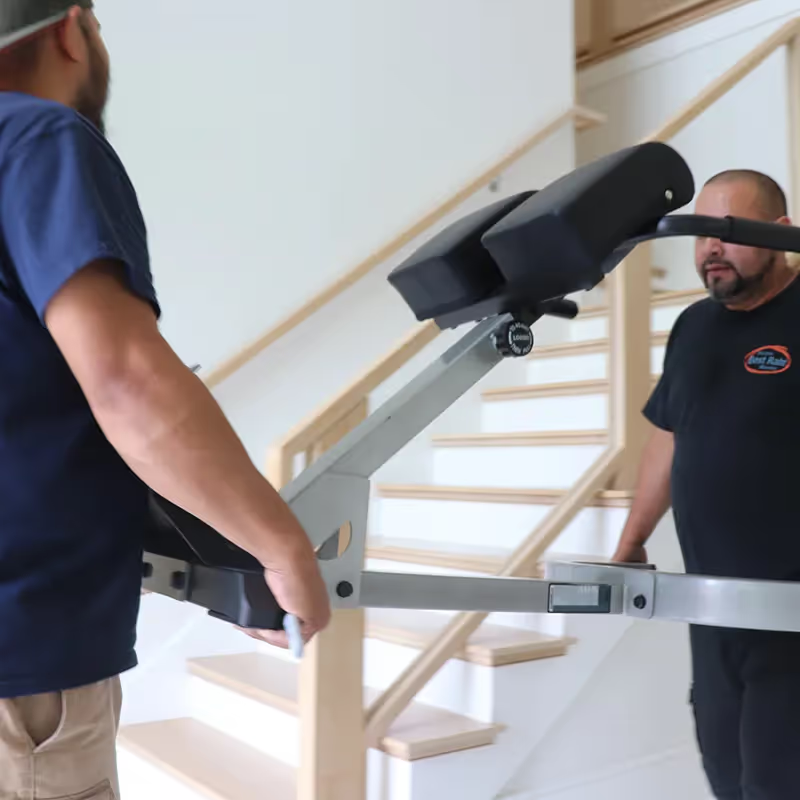
- Old housing, real character: walk-ups, no central AC in many units, quirky layouts, and stairs — lots of stairs. Charming, and worth knowing before you sign.
- Cars are optional and often a liability: parking is scarce and expensive; many newcomers go car-free and rely on the T.
The Long-Distance Move Into Boston
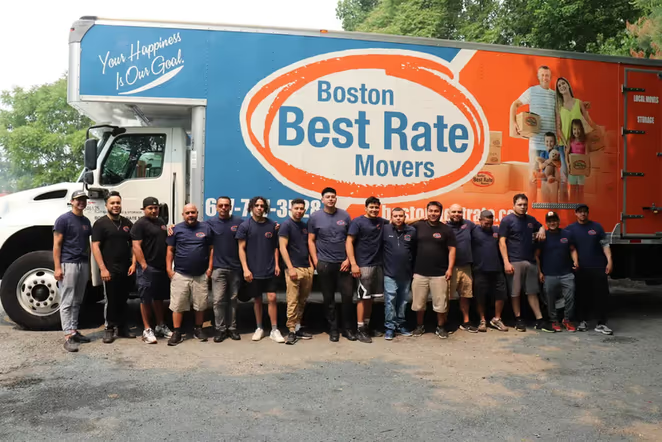
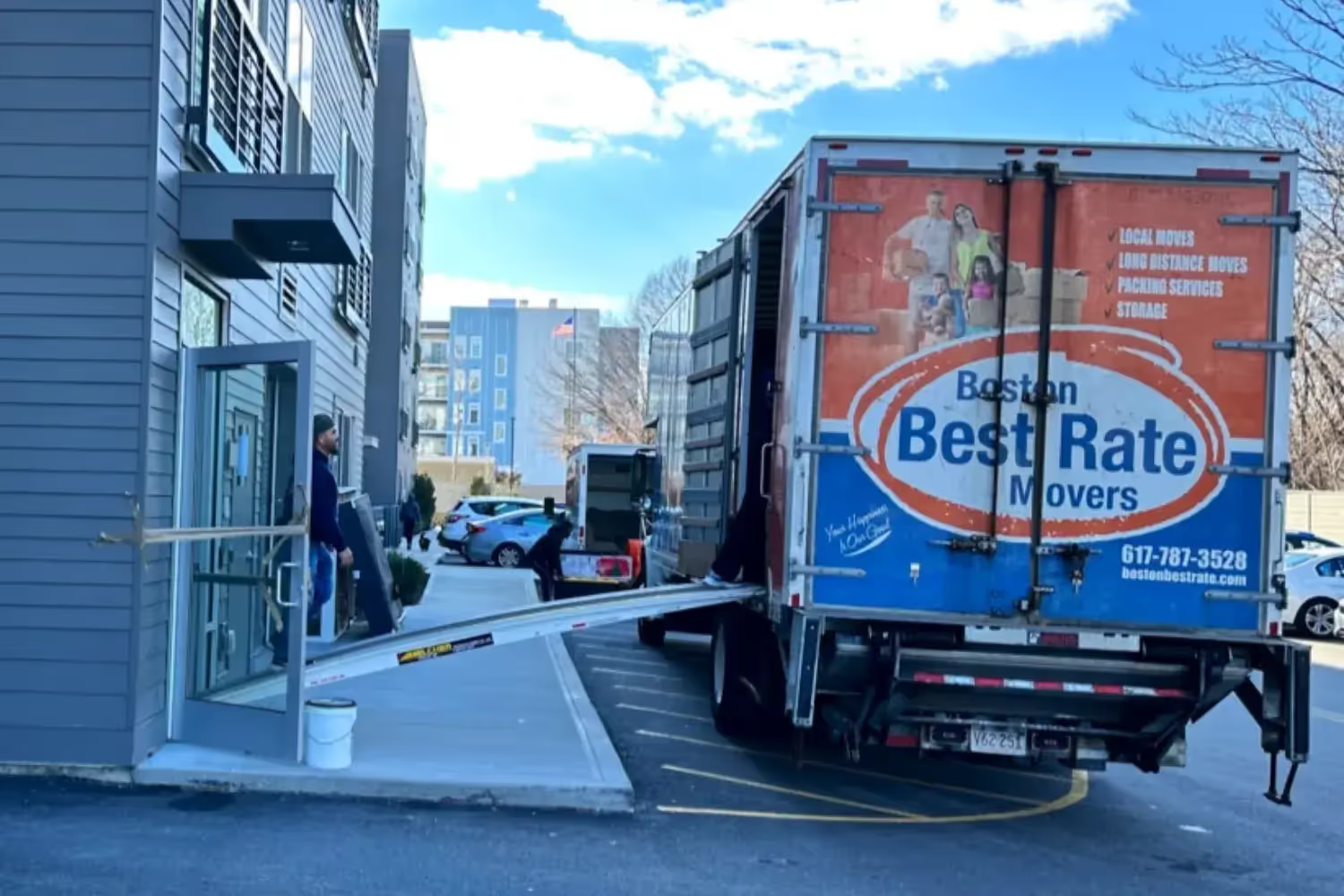
Getting your household here is the logistics half. The model that works best: one crew, one truck, door to door — your belongings loaded at the origin and delivered into your Boston place by the same team, priced hourly, not by weight (we never weight-quote). If you're arriving from elsewhere in the Northeast, we run dedicated inbound lanes such as New Hampshire-to-Boston moves and Delaware-to-Boston moves. The full playbook — pricing models to avoid, the planning timeline, what changes when crossing state lines — is in the long-distance moving guide. Boston-specific arrival challenges your mover should handle: the parking permit for the truck, the certificate of insurance your building likely requires (ours are free), and navigating narrow streets and walk-ups on the delivery end.
Timing and Storage
Out-of-state moves rarely line up perfectly — your lease here may start after you need to leave there, or vice versa. Rather than rush a closing or pay double rent, our Waltham storage bridges the gap: we hold your wrapped belongings and deliver when your Boston place is ready. For a September move, book early — the lead-time guide and September survival guide both apply double when you're coordinating across states.
Your First Weeks as a Bostonian
- Within 30–60 days: Massachusetts driver's license and vehicle registration (if you kept the car), and update your voter registration.
- Set up the essentials: utilities and internet (book early — installs lag), and a resident parking permit if you have a car (requires proof of residency).
- Learn the T and your commute before you commit to a routine — walk it at rush hour once.
- Find your locals: pharmacy, grocery, doctor, dentist — the settling-in list is in the move-in checklist.
- Keep moving receipts — some may matter for taxes or employer reimbursement (tax guide).
Moving to Boston FAQ
What's the best Boston neighborhood for someone new to the city?
Depends on your life — the neighborhoods guide matches areas to budget, lifestyle, and commute. Newcomers often start in transit-rich, slightly-more-affordable areas and move once they know the city.
How much does it cost to move to Boston from out of state?
Hourly, door-to-door, quoted in writing — driven by distance and home size, never weight. Get your number in a free quote; the long-distance guide explains the model.
Do I need a car in Boston?
Often no — many residents go car-free given parking scarcity and strong transit. If you bring one, budget for a resident permit and the parking hunt.
When's the best time to move to Boston?
Off the September-1st cycle if you can — winter and spring mean less selection but far less competition and easier logistics.
Relocating to Boston? We'll get your household here and into your new place — free written quote, hourly and honest. 1,244+ Google reviews, since 2002.
Find our moving guides faster on Google
Add Boston Best Rate Movers as a preferred source and Google shows our answers first when you search — including in AI Mode.

Boston Best Rate Movers
The Boston Best Rate Movers team shares moving tips, Boston neighborhood guides, and cost-saving strategies drawn from 24+ years and 43,126+ completed moves across Greater Boston.
See All Posts