The short answer
Protect your expensive mirrors during a move with these packing and transport techniques used by professional movers.
Large mirrors are among the most fragile and nerve-wracking items to move. Their combination of size, weight, and extreme brittleness makes them vulnerable at every stage of the relocation process — during wrapping, loading, transport, and unloading. A full-length floor mirror or a heavy wall-mounted mirror over a fireplace mantle can cost hundreds or even thousands of dollars to replace, and no amount of careful unpacking can fix a cracked pane. The good news is that professional movers transport mirrors safely every day using techniques and materials that are straightforward to replicate if you understand the process. The key is layer-by-layer protection and proper positioning throughout the move.
Begin by applying painter's tape in a large X pattern across the entire face of the mirror. This does not prevent cracking, but it holds the glass fragments together if the mirror does break during transport, preventing a dangerous mess of loose shards. Use low-adhesive painter's tape rather than packing tape or masking tape, which can leave residue on the glass surface. Next, place a layer of glassine paper or a clean microfiber cloth directly against the mirror surface to prevent scratches. Follow with a generous layer of bubble wrap, covering every inch of the mirror including the frame, and secure the bubble wrap with tape — making sure the tape contacts only the bubble wrap and never the mirror frame or glass directly.
The outer layer of protection is just as important as the cushioning against the glass. For large mirrors, the ideal solution is a specialty mirror box or picture carton, which consists of two telescoping cardboard pieces that adjust to fit the mirror's dimensions. Place the bubble-wrapped mirror inside and fill any remaining space with crumpled packing paper or additional bubble wrap so the mirror cannot shift inside the box. If a mirror box is not available, create one by cutting and taping together flat cardboard pieces to sandwich the mirror on both sides. Add corner protectors made from foam or folded cardboard to shield the most vulnerable points of the frame.
Loading and positioning in the truck are critical steps where many mirror moves go wrong. A packed mirror should always travel upright, never flat on its back. When laid flat, even minor vibrations from the road can flex the glass and cause it to crack under its own weight. Position the mirror vertically against the side wall of the truck, sandwiched between mattresses, sofas, or other padded items that hold it in place and prevent tipping. Use ratchet straps or rope to secure the surrounding items so nothing can shift during braking or turns. Avoid placing heavy boxes or any rigid items against the mirror's face, even through the packing materials.
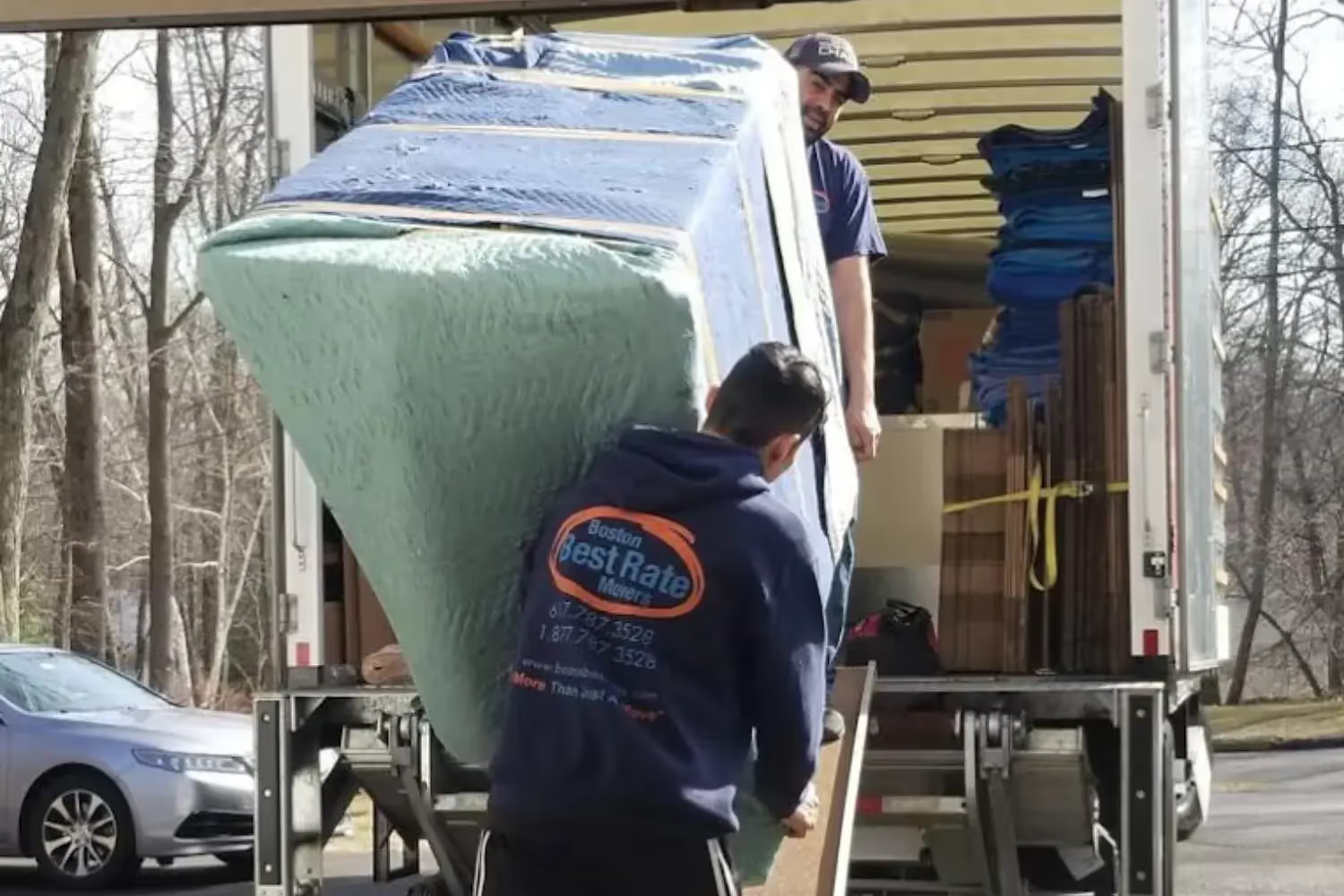
For particularly large, heavy, or valuable mirrors — antique gilded frames, custom leaded glass, or oversized contemporary pieces — consider whether professional handling is worth the investment. Boston Best Rate Movers regularly transports large mirrors and framed artwork throughout the metro area, and our crews carry specialty mirror boxes, custom padding, and the experience needed to navigate these fragile items through the tight doorways and staircases common in Boston homes. The cost of professional handling is almost always less than the replacement cost of a broken mirror, and the peace of mind is invaluable when you are moving a piece that cannot be easily replaced.
Moving a Mirror FAQ
How do professional movers pack a large mirror?
Apply painter's tape in an X across the face to hold fragments together if it breaks, add glassine paper or a soft cloth against the glass, then a full layer of bubble wrap. Finish with a telescoping mirror or picture box and corner protectors, with tape touching only the packing materials, never the glass or frame.
Should a mirror travel flat or upright?
Always upright. Laid flat, even minor road vibration can flex the glass and crack it under its own weight. Stand the packed mirror vertically against the truck's side wall, sandwiched between padded items, and strap everything so nothing shifts in transit.
Does painter's tape stop a mirror from cracking?
No. The tape does not prevent cracking; it holds the shards together if the glass does break, which prevents a dangerous mess. Use low-adhesive painter's tape rather than packing or masking tape, which leaves residue.
Is it worth hiring movers for an expensive mirror?
For antique, oversized, or high-value mirrors, usually yes. Professional handling almost always costs less than replacing a broken piece, and our crews carry specialty mirror boxes and padding sized for the tight doorways and staircases common in Boston homes. Get a quote with the dimensions.
Find our moving guides faster on Google
Add Boston Best Rate Movers as a preferred source and Google shows our answers first when you search — including in AI Mode.

Boston Best Rate Movers
The Boston Best Rate Movers team shares moving tips, Boston neighborhood guides, and cost-saving strategies drawn from 24+ years and 43,126+ completed moves across Greater Boston.
See All Posts